When Employees Use Personal Vehicles for Work: What North Carolina Businesses Should Know
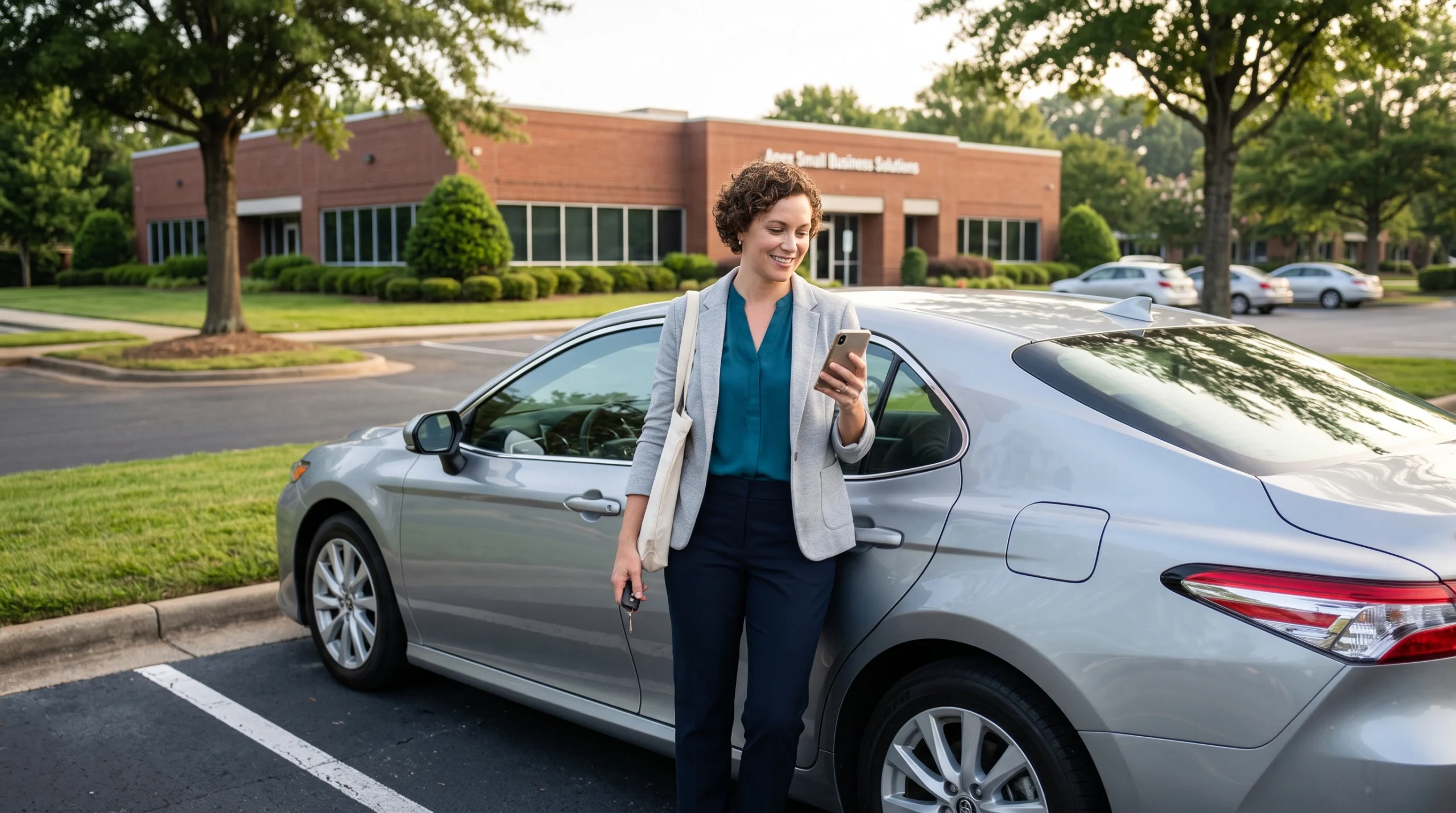
It is easy to overlook vehicle risk when the company does not own a fleet. An employee drives their own car to meet a client, make a delivery, pick up supplies, or run an errand. It feels routine—until there is an accident.
Personal auto insurance can be an important first layer of protection for the driver, but business use can create questions that deserve a closer look. North Carolina employers should understand where their responsibilities may begin when employees drive personal vehicles for work.
Personal use versus business use
Commuting to a regular workplace is generally different from driving as part of the job. A sales representative visiting prospects, an office manager transporting equipment, or a restaurant employee making deliveries is using a vehicle in a work-related way.
The distinction matters because personal auto policies may have limits, exclusions, or business-use considerations that do not line up neatly with an employer’s exposure. Coverage always depends on the actual policy and the circumstances of the loss, so employees should verify their own protection and employers should review their commercial insurance program.
Why the business can still have exposure
If an employee causes an accident while performing job duties, the business may be drawn into a claim. That could include injuries to others, damage to vehicles or property, legal defense costs, and business disruption after a serious loss.
The risk does not disappear because the vehicle title is in the employee’s name. From a practical standpoint, the question is whether the trip was being made for the business.
Examples include:
- Delivering products or documents to a customer
- Driving to a job site or client meeting
- Picking up supplies for the business
- Transporting tools, equipment, or coworkers
- Running company errands between locations
What hired and non-owned auto coverage can address
A commercial auto policy may include hired and non-owned auto liability coverage. “Non-owned” auto coverage is commonly the part employers ask about when employees use their personal vehicles on company business. “Hired” auto coverage can apply in situations involving rented, leased, or borrowed vehicles used for business purposes.
These coverages are not a substitute for an employee carrying appropriate personal auto insurance. They can be an additional layer of protection for the business, subject to the policy’s terms, limits, and exclusions.
Review commercial auto insurance information from Laurie Insurance Group.
A simple policy may not be enough
Businesses sometimes assume that a basic general liability policy will cover every accident connected to their operations. Auto-related claims are commonly handled differently, which is why commercial auto and non-owned auto coverage should be discussed specifically.
The correct structure depends on how often employees drive, what they transport, whether drivers use vehicles for deliveries, the number of miles involved, and whether any vehicles are owned by the business.
Practical steps for employers
A few reasonable practices can reduce surprises:
- Establish a written policy for employees who drive on company business.
- Confirm that drivers hold valid licenses and carry required personal auto insurance.
- Set expectations for distracted driving, alcohol and drug use, seat belts, and phone use.
- Track who regularly drives for work and why.
- Review hired and non-owned auto liability limits with an insurance professional.
- Revisit coverage when the business adds delivery services, new territories, or new drivers.
The point is not to create unnecessary paperwork. It is to recognize that a personal car becomes part of the business risk picture when it is used to serve the business.
Questions to ask during a coverage review
Bring specific details to the conversation: how many employees drive, how frequently they drive, whether they carry customers or equipment, and whether the business reimburses mileage. If a driver occasionally uses a personal vehicle for a small errand, the exposure may look different than a business that relies on employees for daily deliveries.
It is also wise to ask whether your current policy includes hired and non-owned auto liability, what the limits are, and how those limits work alongside employee personal policies.
Get a clearer picture of your auto exposure
Every business uses vehicles differently. Laurie Insurance Group can help North Carolina business owners review company-owned vehicles, employee-driven vehicles, and the coverage options that may make sense for their operations.
Contact Laurie Insurance Group to discuss commercial auto and non-owned vehicle exposures.
Contact Us!
For quotes or questions, fill out the form below and one of our agents will be in touch shortly!