Dwelling Fire Insurance in North Carolina
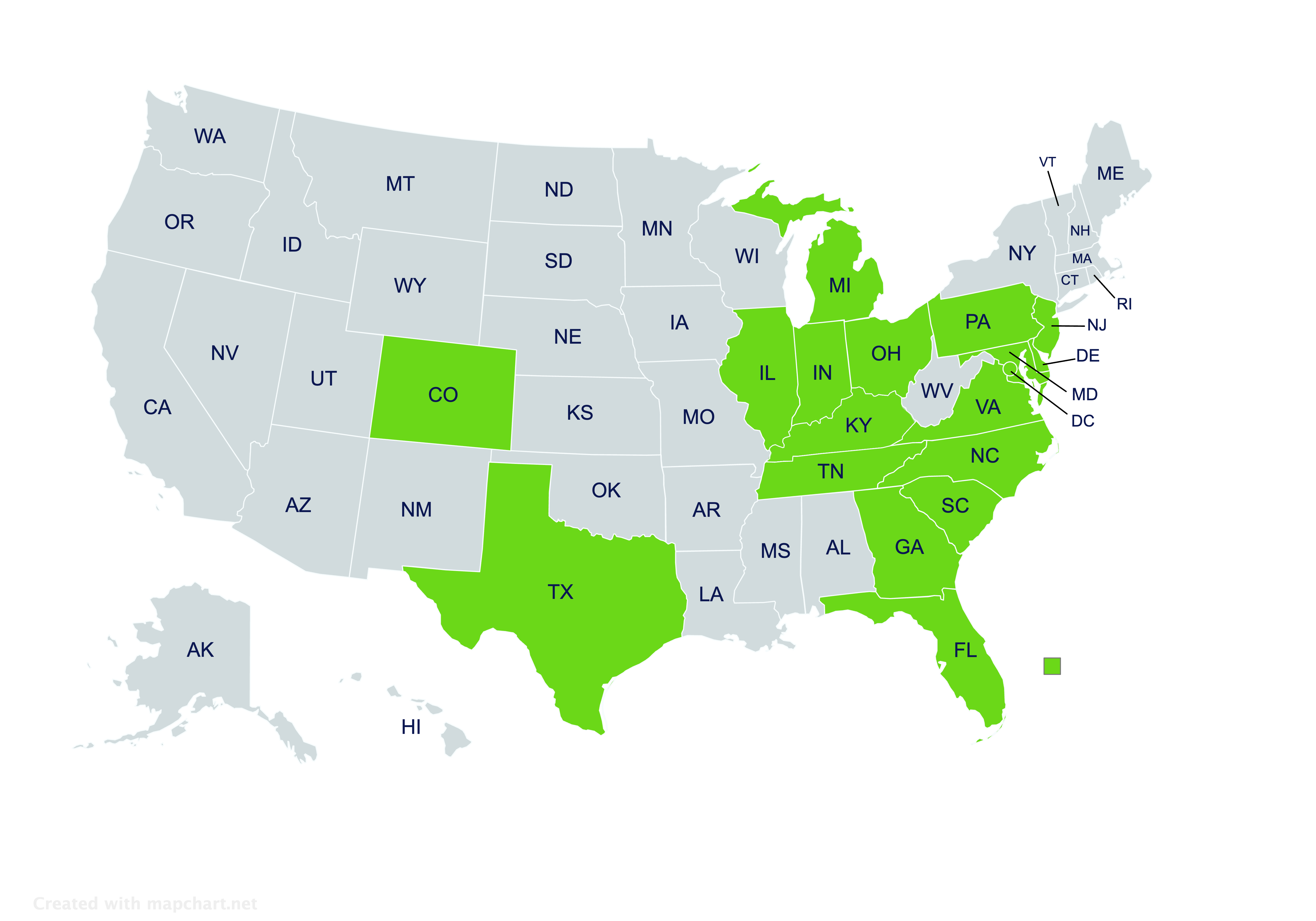
Providing Dwelling Fire Insurance solutions to residents in North Carolina and beyond.
Get a Quote
Send us your information for a free quote!
Dwelling Fire Insurance in North Carolina
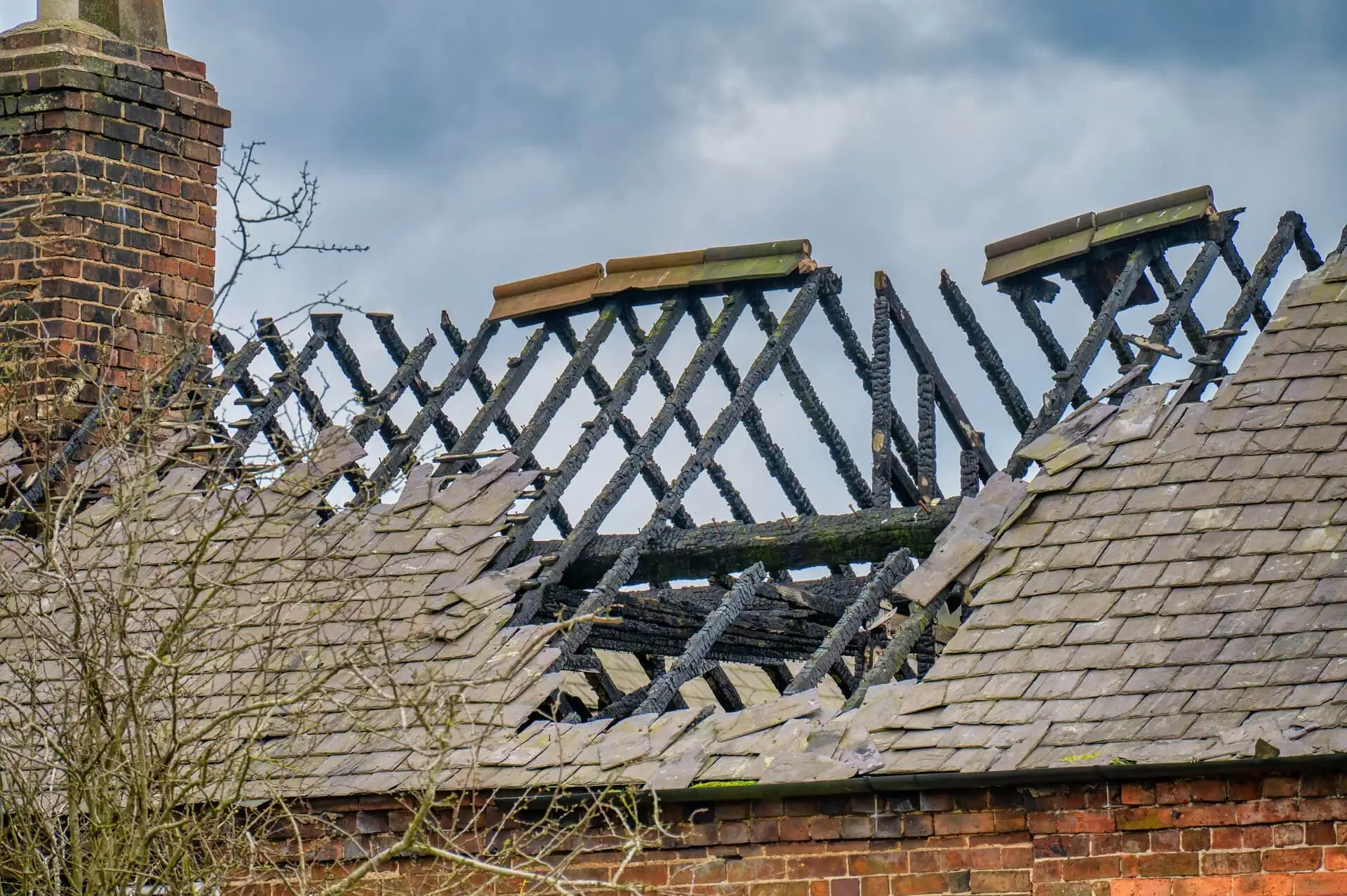
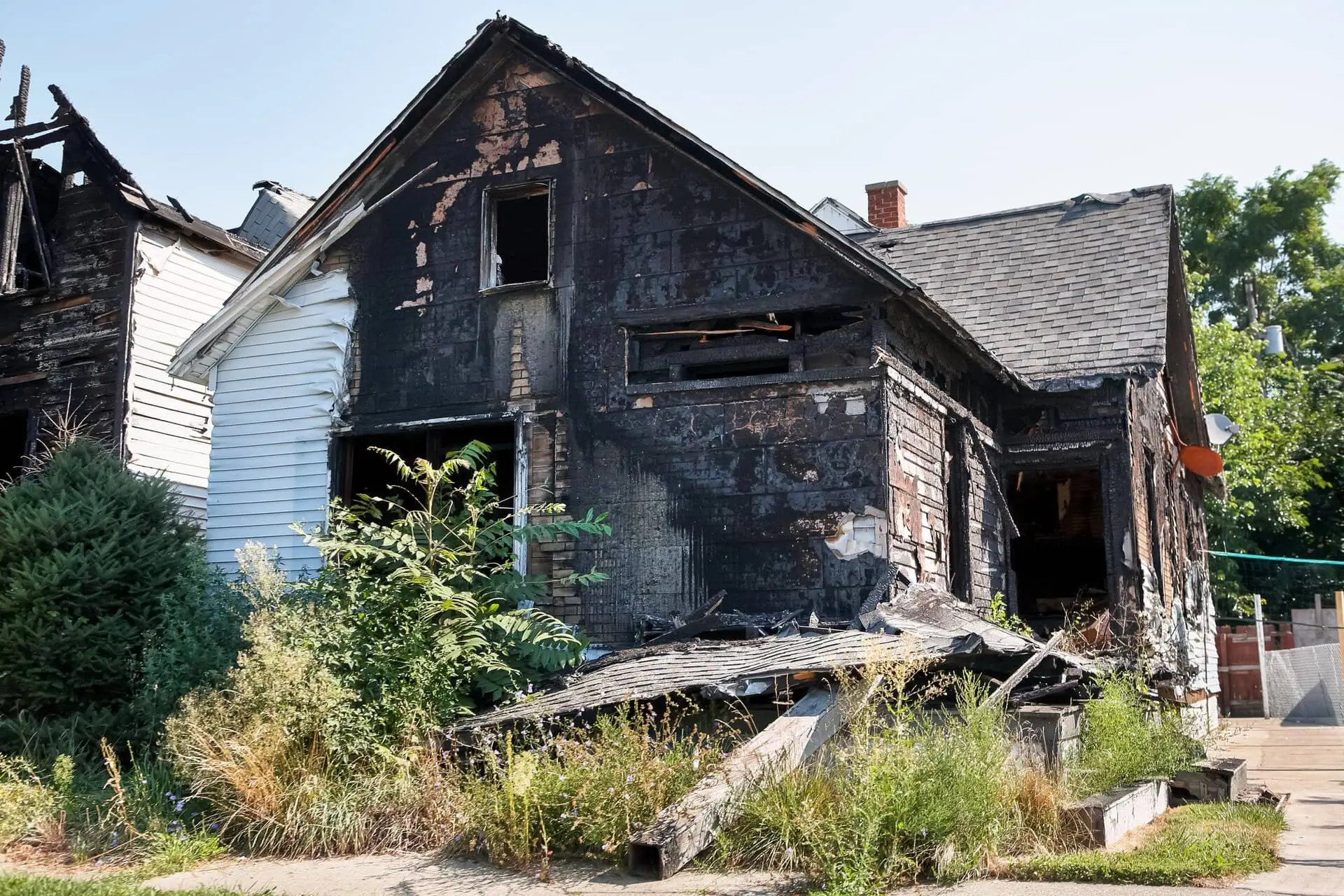
Dwelling fire insurance is a specialized property insurance policy designed to protect a structure that is not the owner’s primary residence, such as a rental property, a seasonal vacation home, or a vacant building awaiting sale.
In North Carolina, this coverage is essential for property owners and landlords who need to safeguard their physical assets against specific perils like fire, lightning, and wind, but do not require the comprehensive personal property and liability protections included in a standard homeowners policy.
Whether you are managing a rental in Charlotte or own a beach cottage on the Outer Banks, this insurance provides a tailored financial shield for the “dwelling” itself when traditional occupancy rules don’t apply.
What Is Dwelling Fire Insurance And Who Needs It?
Unlike a standard homeowners insurance policy (HO-3) which is built for owner-occupied residences, a dwelling fire policy is often the correct solution for non-owner-occupied properties. This insurance focuses primarily on the physical structure rather than the contents or the personal liability of the occupants.
In North Carolina, you typically need this coverage if you fall into one of the following categories:
- Landlords: If you rent out a house to tenants, your homeowners policy likely won’t cover you. You need a dwelling policy to protect the building while your tenants carry their own renters insurance.
- Vacant Home Owners: Homes that are empty for more than 30 to 60 days (such as those in probate or undergoing long-term renovation) often lose standard coverage. A dwelling fire policy provides essential protection during these transitions.
- Seasonal and Secondary Property Owners: If you own a cabin in the Blue Ridge Mountains or a secondary home that sits empty for months at a time, this specialized policy is designed for those specific risk profiles.
Understanding the Three Types of Dwelling Fire Policies
The North Carolina Department of Insurance recognizes three standard forms of dwelling fire coverage, each offering a different level of protection. Choosing the right one depends on your budget and the value of the asset you are protecting.
DP-1: The Basic Form
The DP-1 is a “named perils” policy, meaning it only covers losses specifically listed in the document—usually fire, lightning, and internal explosions. Claims are typically settled on an Actual Cash Value (ACV) basis, which factors in depreciation. It is often the most affordable option for older homes or properties where the owner wants minimal, essential protection.
DP-2: The Broad Form
The DP-2 is also a named perils policy but includes a much longer list of covered events, such as damage from falling objects, the weight of ice and snow, and accidental water discharge. Crucially, DP-2 policies often settle claims on a Replacement Cost basis, meaning you receive the funds to rebuild at today’s prices without deducting for wear and tear.
DP-3: The Special Form
The DP-3 is the most comprehensive option and is considered an “open perils” policy. It covers all forms of damage to the structure except for those specifically excluded (like floods or earthquakes). This is the standard choice for serious North Carolina real estate investors who want the highest level of protection for their rental units.
Key Differences Between Dwelling Fire and Homeowners Insurance
Many North Carolina property owners mistakenly assume these policies are interchangeable. However, the differences in coverage scope are significant.
- Occupancy Requirements: Homeowners insurance requires the owner to live on-site; dwelling fire does not.
- Personal Property: Homeowners policies cover all your belongings. Dwelling fire typically only covers the building and landlord-owned items like appliances.
- Liability Coverage: While standard homeowners insurance includes broad personal liability, a dwelling fire policy often requires you to add “Premises Liability” as an endorsement.
- Loss of Rent: A unique feature of dwelling fire insurance is the ability to include “Loss of Rent” coverage. If a fire makes your rental property uninhabitable, the policy can reimburse you for the rental income you lose while the building is being repaired.
What Factors Determine Your Premium?
When we evaluate a property for a dwelling fire quote, we look at several factors that influence the overall risk:
- Condition and Age: Older properties with outdated electrical or plumbing systems may have higher premiums or be limited to a DP-1 policy.
- Occupancy Status: A vacant home is generally seen as higher risk than a rented one because damage (like a burst pipe) may go unnoticed for longer.
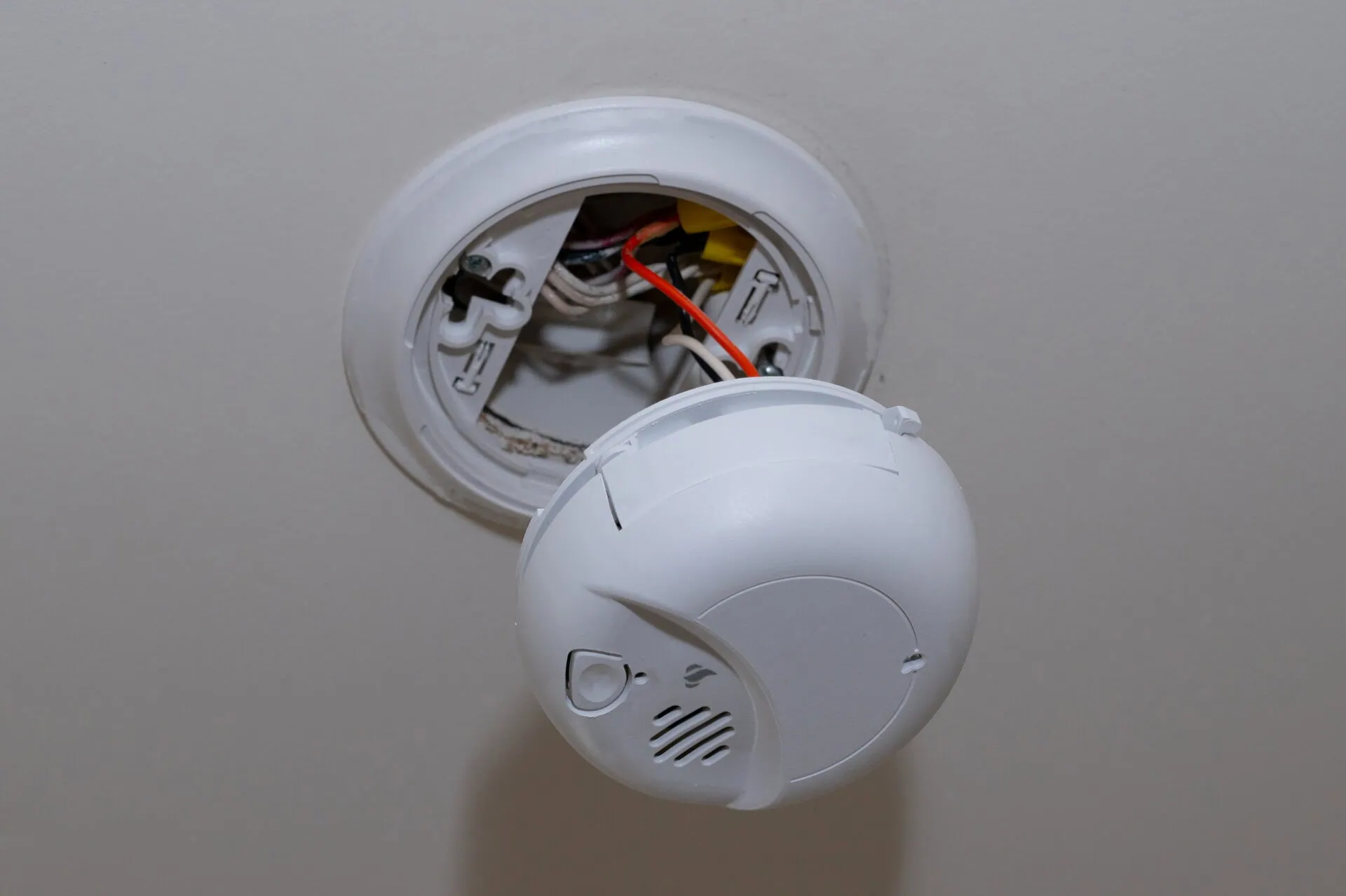
- Safety Features: Properties with central station fire alarms and proximity to fire hydrants often qualify for lower rates.
- Claims History: A history of multiple property claims can impact your eligibility for the more comprehensive DP-3 form.
How North Carolina Geography Affects Your Policy
From the hurricane-prone coastal regions to the snow-heavy mountains, North Carolina’s geography plays a major role in how your dwelling fire insurance is structured.
For properties on the coast, windstorm and hail coverage are often separate components of the policy or may require a higher deductible. In urban centers like Raleigh or Greensboro, vandalism and malicious mischief coverage are common add-ons for vacant properties. Laurie Insurance Group works with you to evaluate your property’s specific location and recommend the appropriate endorsements for North Carolina’s diverse climate.
Why Partner With Laurie Insurance Group?
Navigating the transition from a homeowners policy to a non-owner-occupied policy can be confusing. At Laurie Insurance Group, we specialize in helping North Carolina property owners manage their portfolios with precision. As independent agents, we have access to multiple carriers, allowing us to compare the best rates for dwelling fire insurance across the state.
Whether you are a first-time landlord or a seasoned developer, we provide the expert guidance needed to ensure your structures are protected, your liability is managed, and your rental income is secure.

How Can You Get A Quote For Dwelling Fire Insurance in North California?
Your property is a significant investment, and its protection should be handled by experts who understand the local North Carolina market. Securing a dwelling fire insurance policy is a vital step in protecting your non-owner-occupied assets from the unexpected. Whether you need a simple DP-1 for a vacant house or a comprehensive DP-3 for a multi-unit rental, the team at Laurie Insurance Group is ready to help you find the right fit for your budget.
To explore your options and receive a personalized proposal, please get in touch with our specialists or submit our online form today. We look forward to helping you protect your property.

Working hours
Mon-Fri 9 am -12 pm and 1 pm – 5 pm
By Appointment Only: 12 pm – 1 pm
Our Central Service Center
Social profiles
Get in touch!
Contact us today for questions or insurance quotes!