Inland Marine Insurance for Contractors: When Tools, Equipment, and Materials Leave the Shop
A contractor’s most valuable property is often not sitting inside the office. It is in a work van, on a trailer, at a job site, or moving between locations before the day is over.
Tools, testing equipment, compressors, ladders, materials, and specialized machinery can be difficult and expensive to replace. Yet many contractors assume their general property policy follows those items wherever they go. Sometimes it does. Often, the answer depends on the policy, the property involved, and where the loss occurred.
Inland marine insurance is designed to address certain movable property exposures. For North Carolina contractors, it is worth reviewing whenever valuable equipment regularly leaves the shop.
Quick answer: Inland marine insurance may help protect covered tools, equipment, materials, and other movable business property while it is in transit, at a job site, or temporarily stored away from the primary location. Coverage depends on the policy, scheduled property, limits, exclusions, and cause of loss.
Why standard property coverage may have limits away from your location
Commercial property insurance commonly focuses on property at the insured premises. That can be a good fit for office furniture, inventory, fixtures, and equipment that stays in one location.
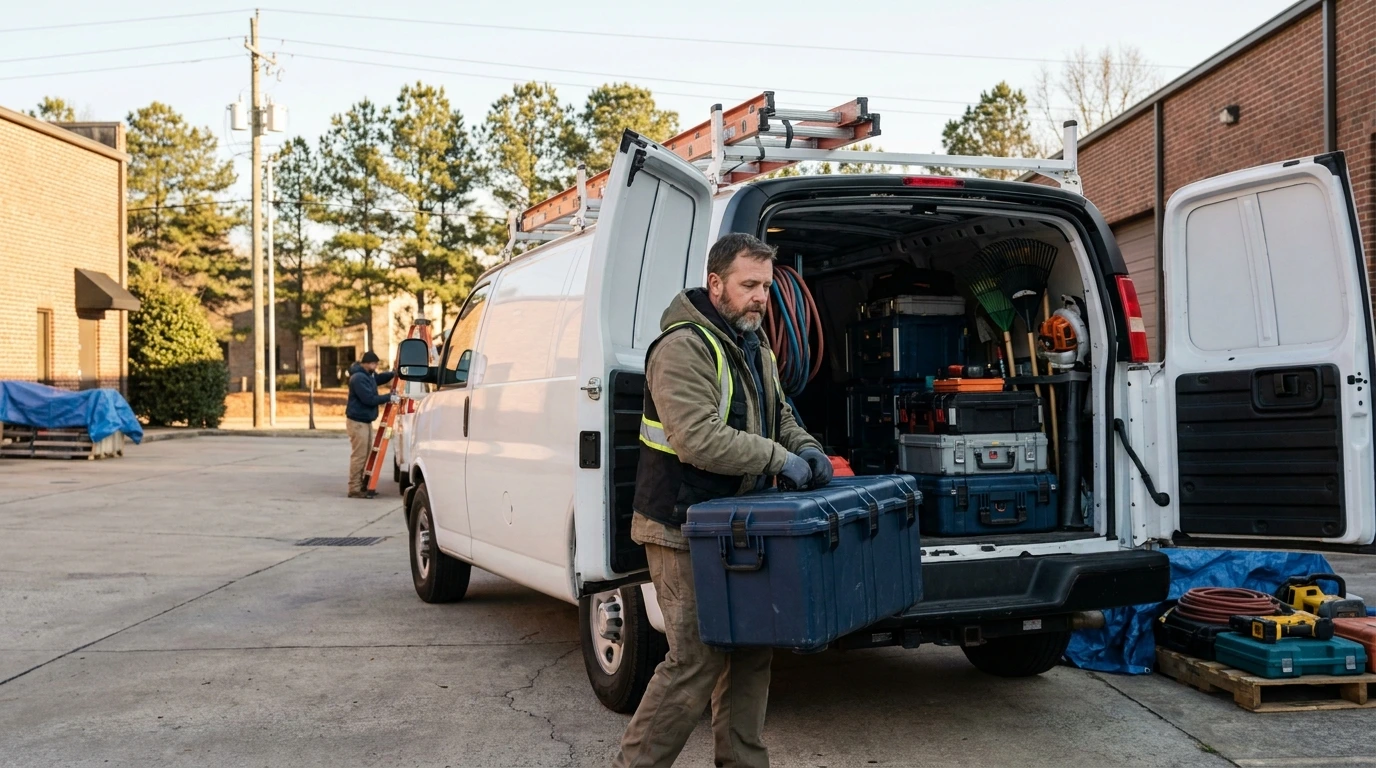
Contractors work differently. An HVAC technician may take diagnostic equipment to several sites in one day. A landscaper may transport mowers, trailers, and tools. A renovation crew may stage materials at an unfinished project. A plumber may leave expensive equipment in a locked work vehicle overnight.
Once property starts moving, the exposure changes. The risk may include theft, collision, fire, vandalism, or damage while equipment is being transported or used at a job site.
What inland marine insurance can cover
Inland marine policies can be tailored in different ways. Depending on the coverage and endorsements selected, they may address:
- Contractor tools and equipment
- Mobile equipment and machinery
- Materials in transit or at a job site
- Installation materials
- Property temporarily stored away from the main business location
- Specialized items that are scheduled by description and value
The details matter. Some policies cover only listed equipment. Others may offer a blanket limit with per-item restrictions. Certain property may need to be separately scheduled, especially if it is unusually valuable or specialized.
Explore inland marine insurance options from Laurie Insurance Group.
Inland marine is not the same as commercial auto
A common point of confusion: commercial auto insurance generally addresses liability and physical damage involving the vehicle itself. It does not automatically mean the tools, materials, or equipment inside the vehicle are fully protected.
If a work van is involved in a collision, the vehicle and the contents may involve separate coverage questions. The same is true if a trailer is stolen, a tool case disappears from a job site, or building materials are damaged before installation.
Read more about commercial auto insurance for North Carolina businesses.
Common contractor scenarios
| Situation | Coverage question to review |
|---|---|
| Tools are stolen from a locked work truck | Does inland marine cover contractor tools in a vehicle? |
| Materials are damaged while being delivered to a job site | Are materials in transit covered? |
| Equipment is damaged at a customer’s property | Is off-premises or job-site equipment covered? |
| A trailer containing tools disappears overnight | Are trailers and their contents scheduled correctly? |
| A specialized machine is rented for a project | Does the policy address rented or borrowed equipment? |
The answer in each case depends on the policy language and the facts of the loss. The key is to identify the exposure in advance.
How to build a useful equipment list
The fastest way to spot a coverage gap is to create a real inventory. Walk through the shop, work vehicles, trailers, storage areas, and current job sites.
For each major item, document:
- Description and use
- Purchase date and replacement cost
- Serial number, if available
- Where it is usually stored or used
- Whether it is owned, leased, rented, or borrowed
- A current photo
Keep the list updated when you replace equipment, add a crew, purchase a trailer, or take on projects requiring specialized tools. It helps with insurance reviews and can also make a claims process easier after a loss.
Do not forget materials and installation exposure
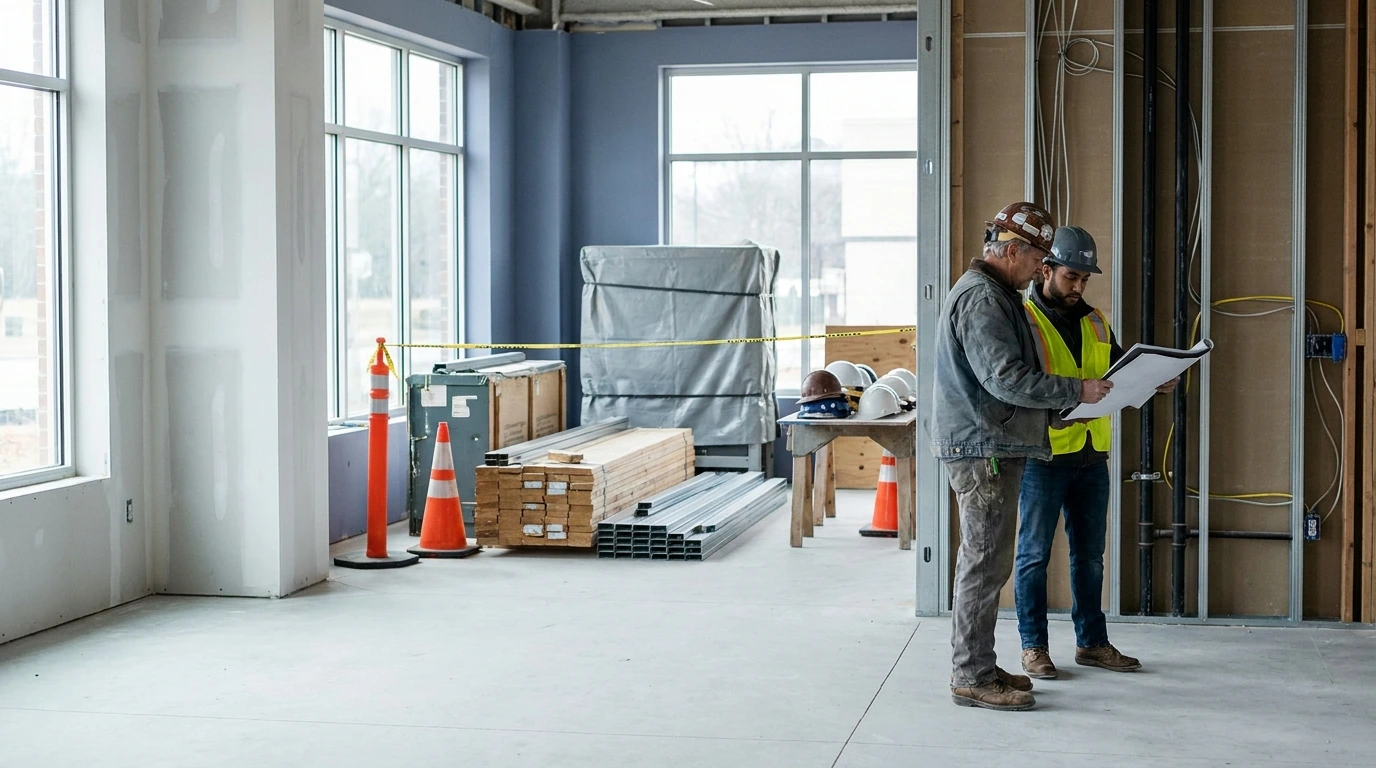
The gap is not limited to tools. Contractors may have a significant financial stake in materials that are waiting to be installed or have already been delivered to a project location.
A roofing contractor may stage shingles before installation. An electrician may transport panels and fixtures. A flooring contractor may keep materials on site between phases. Ask whether installation coverage, materials coverage, or builder’s risk arrangements are needed for the specific project.
Review construction insurance options.
A practical example
An HVAC contractor finishes a service call and leaves a diagnostic tool kit, specialty recovery equipment, and replacement parts in a locked van overnight. The next morning, the van has been broken into and the equipment is gone.
The contractor may have commercial auto coverage for the van, but the tools and equipment inside raise a different question. Inland marine or contractor’s equipment coverage may be relevant, depending on the policy and the property scheduled or included.
Without an inventory and current limits, replacing the equipment can become a much larger business interruption than expected.
Questions to ask during an insurance review
- Are tools and equipment covered while in transit and at job sites?
- Does the policy use a blanket limit, scheduled items, or both?
- Are there per-item limits that could leave expensive equipment underinsured?
- Does coverage extend to borrowed, rented, or leased equipment?
- Are materials awaiting installation covered?
- Does the policy address theft from vehicles and trailers?
- Have replacement costs increased since the policy was last updated?
Keep coverage moving with the work
A contractor’s equipment is part of the business’s ability to earn revenue. Laurie Insurance Group can help North Carolina contractors review inland marine, contractor’s equipment, commercial auto, and construction-related coverage options based on where their property goes and how it is used.
Contact Laurie Insurance Group to discuss coverage for tools, equipment, and materials.
Contact Us!
For quotes or questions, fill out the form below and one of our agents will be in touch shortly!