Inland Marine Insurance in North Carolina
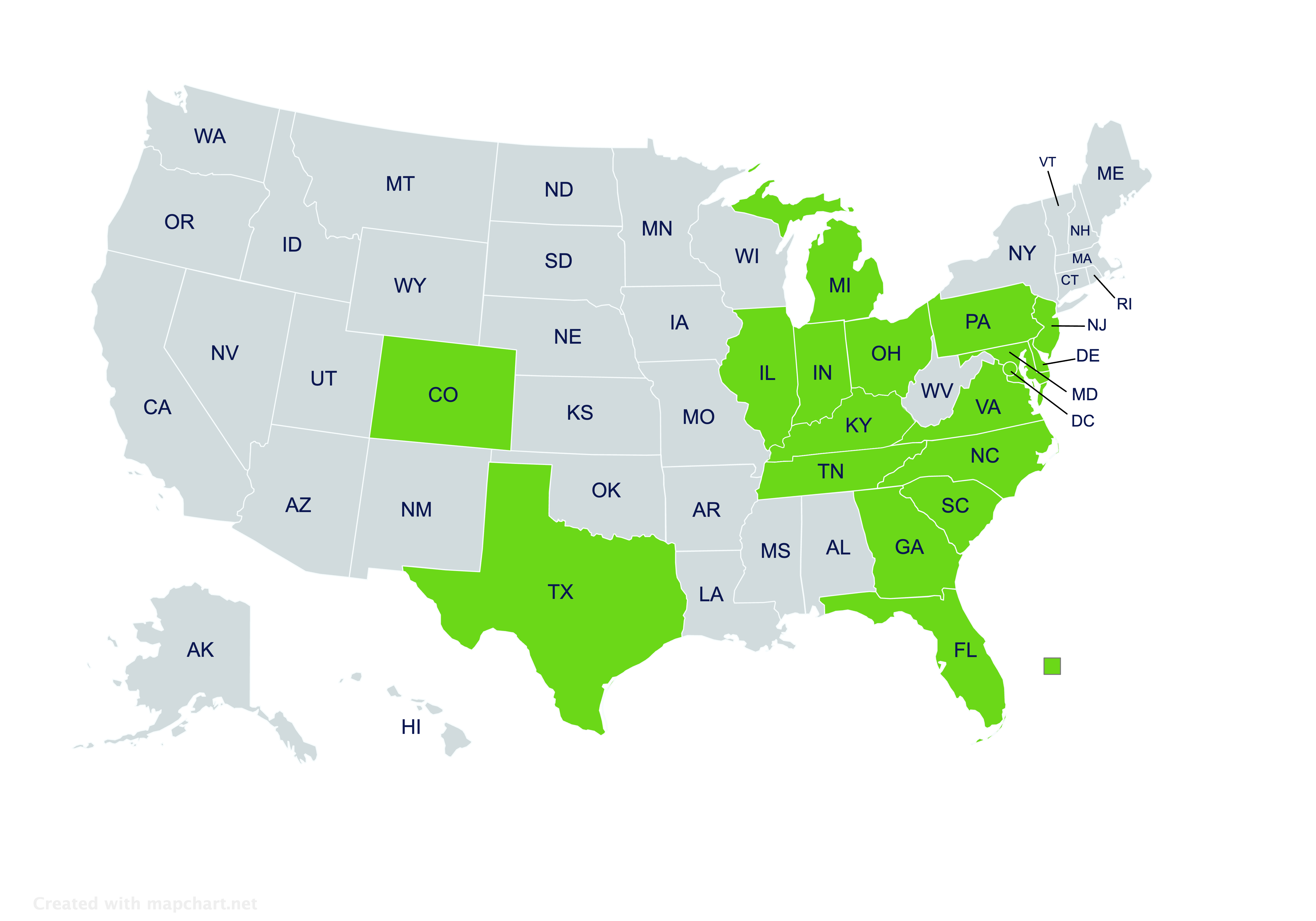
Providing Inland Marine Insurance solutions to residents in North Carolina and beyond.
Get a Quote
Send us your information for a free quote!
Inland Marine Insurance in North Carolina
Businesses often rely on tools, equipment, materials, and products that travel between locations. When these assets are stolen or damaged away from a primary business property, standard commercial property insurance may not provide all the coverage needed. Inland marine insurance can help address certain risks involving property in transit, at job sites, or stored at temporary locations.
Laurie Insurance Group helps North Carolina businesses explore insurance options suited to their operations and valuable assets.
What Is Inland Marine Insurance?
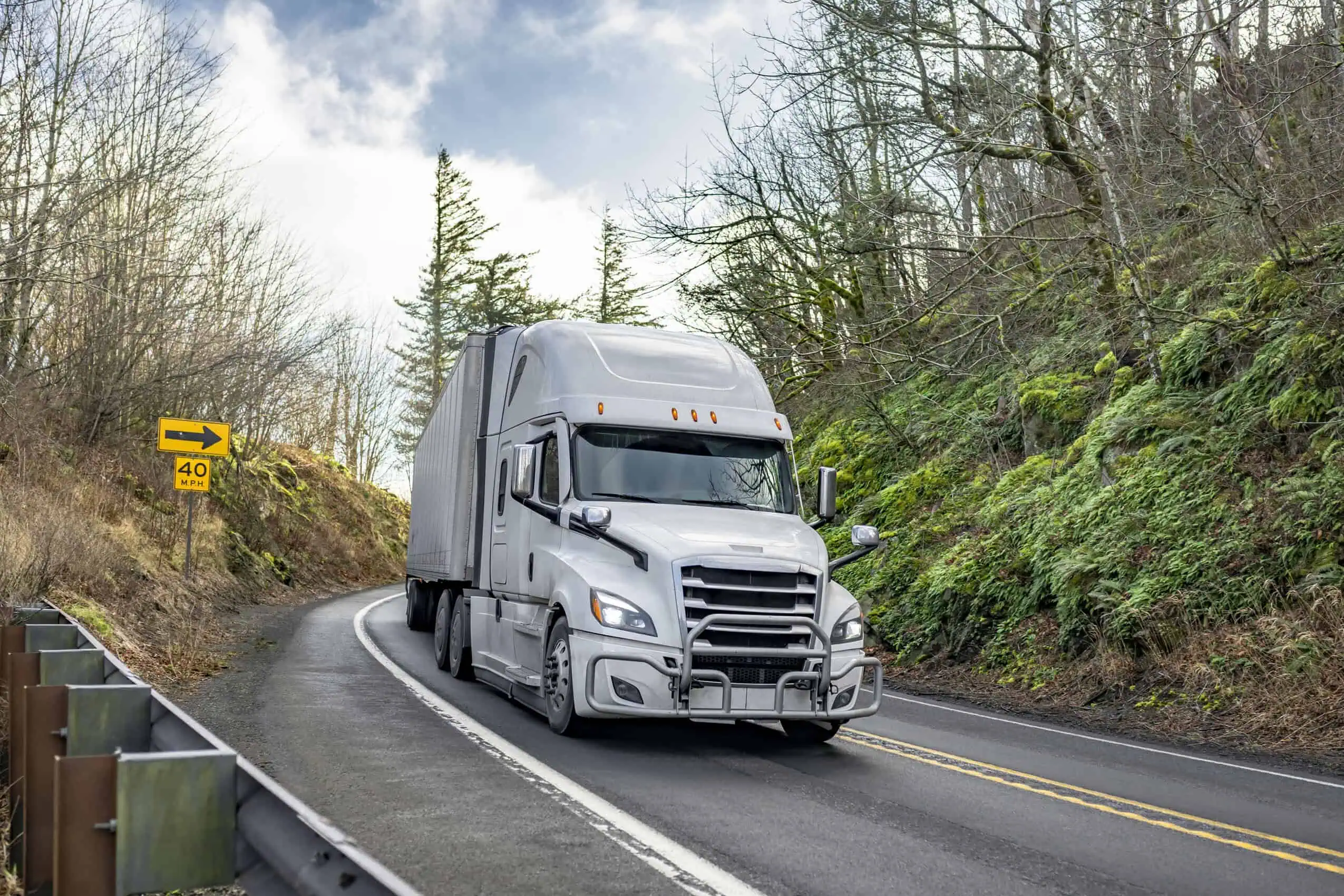
Inland marine insurance is commercial coverage designed for certain types of property that move between locations or are used away from a business’s primary premises. Despite its name, it generally focuses on property transported over land rather than boats or ocean shipping.
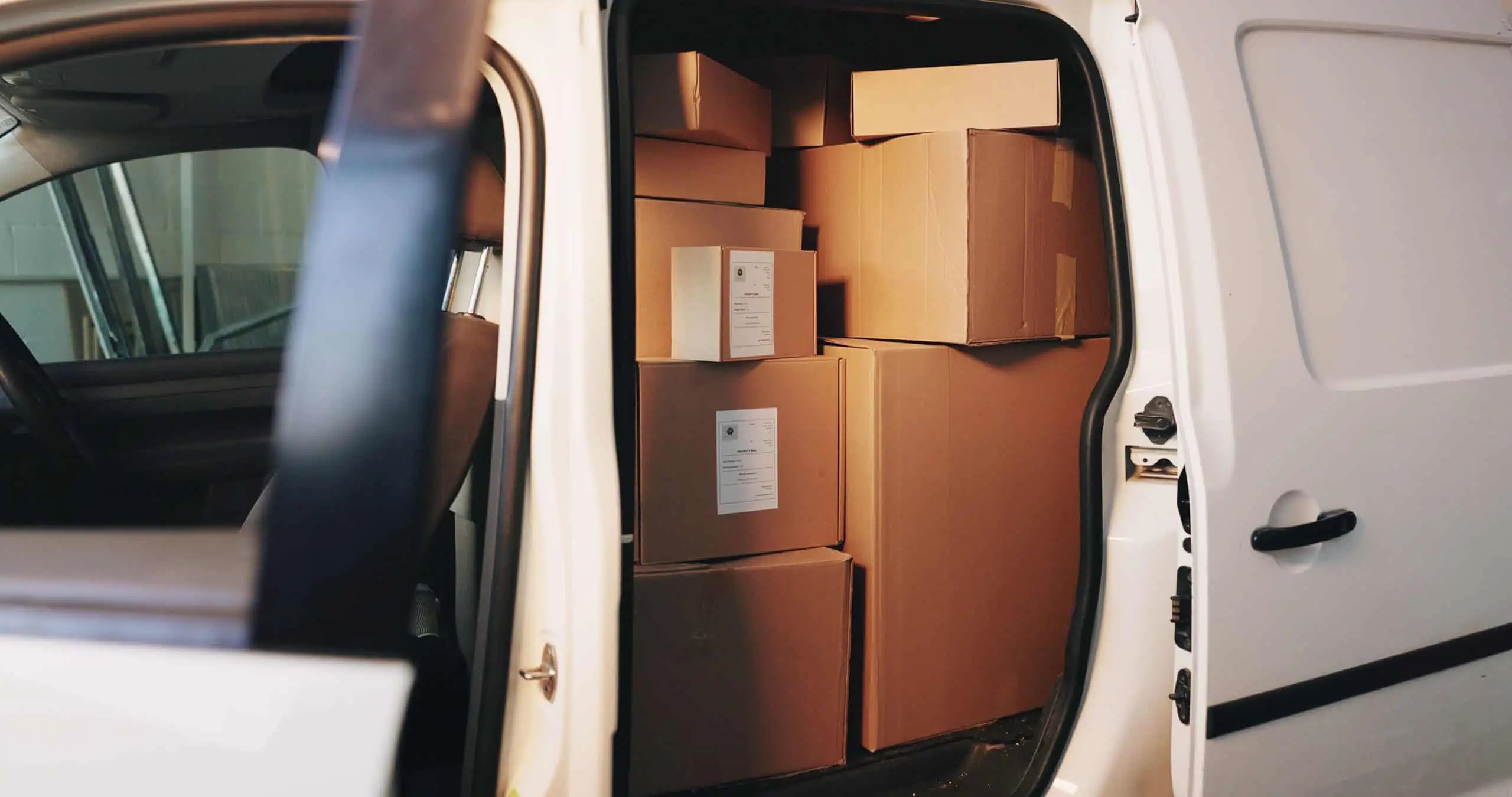
Contractors may transport tools to construction sites, service professionals may carry specialized equipment between customers, and distributors may ship goods to buyers. These activities create exposures that differ from those associated with property kept inside a permanent building.
Depending on the policy, inland marine insurance may cover eligible equipment, materials, merchandise, and other property against specified risks. Coverage terms, limits, deductibles, and exclusions vary by insurer. Laurie Insurance Group can help businesses evaluate their property exposures and determine whether inland marine coverage may complement their existing insurance.
Who Needs Inland Marine Insurance in North Carolina?
Inland marine insurance may benefit businesses that transport valuable property, work at multiple locations, or depend on mobile equipment. Construction companies, contractors, manufacturers, distributors, and technology service providers may have assets that regularly leave their primary premises.
For example, a contractor might bring expensive tools to several projects each week. A landscaping company may transport machinery between residential and commercial properties, while a supplier may need to account for goods traveling to customers. Businesses may also store equipment temporarily at locations they do not own.
These situations can create insurance needs that differ from those of businesses operating exclusively from one location. The right approach depends on the property involved, how it is used, and the risks associated with transportation or temporary storage.
Laurie Insurance Group can help North Carolina business owners review these exposures, particularly when expanding operations, accepting new contracts, or investing in additional equipment.
What Does Inland Marine Insurance Cover?
Available coverage depends on the policy, the property insured, and the risks a business needs to address. Inland marine insurance is not a single standardized package, so business owners should review policy details carefully.
Depending on the policy, coverage may include:
- Contractors’ equipment: Certain tools, machinery, and equipment used at job sites.
- Property in transit: Eligible goods, materials, or equipment transported between locations.
- Installation materials: Certain materials and equipment awaiting installation or being installed.
- Mobile business equipment: Specialized property used away from a permanent business location.
- Property in temporary storage: Eligible assets kept at locations away from the primary premises.
These are examples rather than guaranteed benefits. Certain assets may require separate coverage or endorsements, and exclusions may restrict protection in specific circumstances.
Businesses should also review their commercial property, equipment, and transportation policies to identify existing coverage and potential gaps. Laurie Insurance Group can help clarify available options and how different policies may work together.
How Much Does Inland Marine Insurance Cost in North Carolina?
The cost of inland marine insurance depends on the value of insured property, the type of business, and the risks associated with its operations. A company insuring portable tools may have different requirements from a contractor protecting expensive machinery across several job sites.
Insurers may consider several factors when calculating premiums:
- Property values: The insured value or replacement cost of equipment and materials.
- Business activities: The type of work performed and associated risks.
- Claims history: Previous losses involving theft, damage, or other insured events.
- Security practices: How property is stored, transported, and protected.
- Policy terms: Coverage limits, deductibles, exclusions, and endorsements.
Maintaining accurate equipment inventories and purchase records can help businesses evaluate their insurance needs. Owners should also review insured values when acquiring expensive machinery or other assets.
Laurie Insurance Group can help North Carolina businesses explore available options and compare policy terms. Looking beyond the premium alone can help business owners understand what a policy may cover and where limitations apply.
How Can Businesses Choose the Right Inland Marine Coverage?
Choosing appropriate coverage starts with understanding where business property travels, how it is used, and what a loss could mean for operations.
Begin by listing valuable tools, equipment, materials, and goods that regularly leave your premises. Record their approximate values, typical locations, transportation methods, and ownership status. If your business handles customers’ property, review contractual responsibilities and determine whether additional coverage may be necessary.
Next, examine existing policies for provisions involving property in transit, equipment at temporary locations, and assets used away from the primary business address. Pay attention to exclusions, deductibles, coverage limits, and any storage or security requirements.
Consider upcoming business changes as well. New contracts, additional vehicles, expanded service areas, and equipment purchases can introduce exposures that existing policies may not adequately address.
Laurie Insurance Group can help you assess these considerations and explore inland marine insurance options aligned with your business’s needs.
How Can Inland Marine Insurance Support Business Continuity?
When essential equipment or materials are stolen or damaged, the consequences may extend beyond replacement costs. Contractors could face project delays without specialized machinery, service providers may struggle to complete scheduled work, and damaged goods could disrupt customer deliveries.
Depending on the policy and circumstances, inland marine insurance may help pay for covered losses involving insured property. This financial support may reduce the burden of certain unexpected events and help a business recover.
Insurance should also complement practical risk management measures. Businesses can maintain equipment inventories, secure vehicles and storage areas, document valuable assets, and establish procedures for transporting and handling property.
Inland marine insurance does not automatically cover every delay, interruption, or expense resulting from a property loss. Separate coverage may be worth considering for other exposures, and policy terms should be reviewed carefully.
By evaluating these risks in advance, North Carolina business owners can make informed decisions about their property and prepare for unexpected setbacks.
Why Choose Laurie Insurance Group for Inland Marine Insurance in North Carolina?
Finding appropriate inland marine insurance involves understanding more than equipment values. Businesses must consider how assets move, where they are stored, and whether existing policies address their particular exposures.
Laurie Insurance Group can help North Carolina business owners explore options based on their operations, property, and insurance needs. Whether your company transports materials, uses specialized equipment, manages construction projects, or delivers products, reviewing your exposures can help identify suitable solutions.
Regular policy reviews are also valuable as businesses grow, acquire equipment, or expand their service areas. Keeping coverage information current can make it easier to reassess insurance needs as operations change.
Contact Laurie Insurance Group to discuss Inland Marine Insurance in North Carolina. Reviewing your property, operations, and existing policies can help you explore coverage options for eligible assets wherever your business takes them.

Working hours
Mon-Fri 9 am -12 pm and 1 pm – 5 pm
By Appointment Only: 12 pm – 1 pm
Our Central Service Center
Social profiles
Get in touch!
Contact us today for questions or insurance quotes!