Flood Insurance in North Carolina
Providing Flood Insurance solutions to residents in North Carolina and beyond.
Get a Quote
Send us your information for a free quote!
Flood Insurance in North Carolina
Flooding can happen in more places than many property owners expect. Heavy rainfall, coastal storms, hurricanes, overflowing rivers, and drainage issues can all contribute to flood conditions across North Carolina. Even properties outside high-risk flood zones may face exposure, making it important to understand your options for protecting your home or property.
Laurie Insurance Group can help North Carolina property owners explore coverage based on their location, property characteristics, and individual concerns. A dedicated flood policy may provide protection for certain losses that a standard homeowners policy does not address. Working with an insurance professional can make it easier to review available options and choose coverage suited to your circumstances.

What Is Flood Insurance?
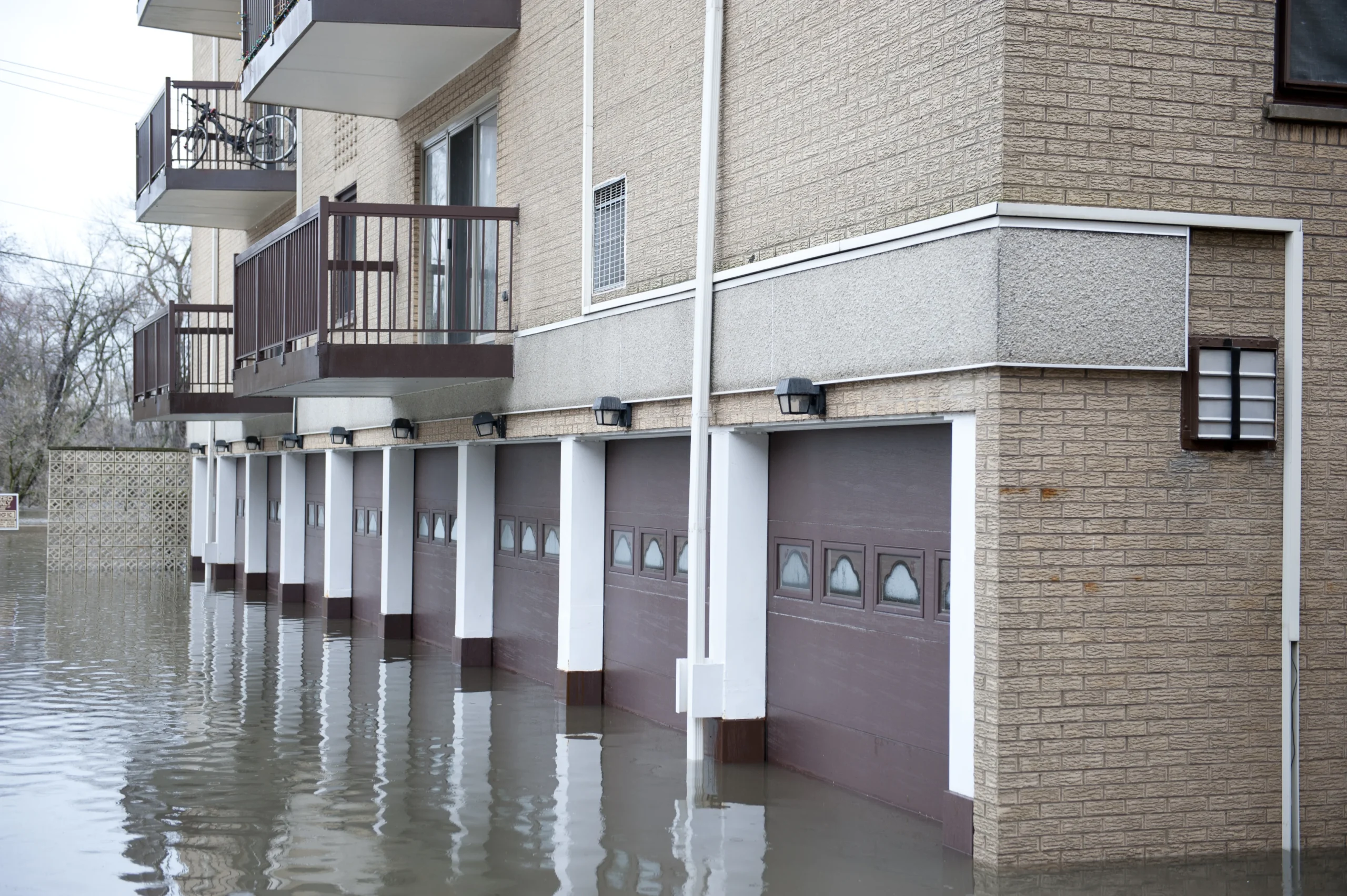
Flood coverage is designed to address certain losses caused by flooding, subject to the policy’s terms, conditions, exclusions, and limits. Standard homeowners insurance generally does not cover flood damage, so a separate policy may be worth considering for eligible properties.
Flooding can occur in coastal communities, inland areas, neighborhoods near rivers and lakes, and locations affected by intense rainfall. Property owners may want to consider their exposure even if their home has never flooded before. Factors such as elevation, proximity to waterways, drainage, and local flood maps may all affect risk and coverage considerations.
A policy may include protection for the building and, depending on the coverage selected, certain contents inside the property. The protections available can vary, making it important to review the details rather than assume every type of water-related damage is covered.
Why Consider Coverage For Your Property?
Water damage can result in substantial repair, replacement, and cleanup expenses. Depending on the severity of an event, water may affect flooring, walls, electrical systems, appliances, furniture, and other property. Those costs can become especially challenging when a property owner lacks coverage specifically designed for flood-related losses.
This type of protection may be particularly relevant for properties in areas with a history of flooding or locations identified as having elevated exposure. However, risk is not limited to properties directly beside a body of water. Heavy rainfall, tropical systems, storm surge, and overflowing waterways can affect a wide range of communities.
When evaluating your needs, you may want to consider:
- The property’s location and flood zone designation
- The age, construction, and elevation of the building
- Potential repair or replacement costs
- Whether a mortgage lender has specific requirements
- The value of personal belongings kept at the property
These factors can provide a clearer picture of potential exposure and the types of protection worth discussing.
What May Flood Coverage Include?
The protections provided by a policy depend on the specific coverage selected. Building protection may apply to certain permanently installed components of a home or other insured structure, while contents coverage may extend to qualifying personal property. Deductibles, limits, exclusions, and other conditions apply.
Depending on the policy, building-related protection may address items such as the foundation, certain electrical and plumbing systems, permanently installed equipment, and other eligible components. Contents coverage may apply to qualifying belongings kept inside the insured property.
Not every type of water damage or every item on a property is necessarily covered. Certain belongings, structures, living expenses, landscaping, and other losses may be subject to exclusions or limitations. Reviewing these details with an insurance professional can help you understand what a particular policy may and may not provide before a loss occurs.
How Does North Carolina Flood Risk Affect Insurance Needs?
North Carolina’s diverse landscape includes coastal communities, rivers, lakes, low-lying areas, and inland regions that can experience significant rainfall. As a result, exposure can differ substantially from one property to another. Location, elevation, construction, and surrounding drainage conditions may all be relevant when evaluating protection.
Flood maps can also influence how properties are classified for risk. However, being outside a designated high-risk area does not necessarily mean a property cannot experience flooding. Severe weather and changing conditions can create hazards in areas that have historically experienced fewer incidents.
Property owners may also encounter different requirements depending on their mortgage and location. Laurie Insurance Group can help customers review their circumstances and discuss available options. Evaluating potential exposure before severe weather arrives can provide greater clarity when deciding how to protect your property.

What Factors Can Affect Flood Insurance Costs in North Carolina?
The cost of a policy can vary according to several property and coverage characteristics. Location is one consideration, but it is not the only factor. Building design, elevation, replacement value, coverage limits, deductible, and other details may influence premiums or available options.
A property’s flood zone and history may also be relevant, depending on the insurance program and policy. Properties with different levels of exposure can have different pricing considerations, so two homes in the same general community may not have identical costs.
When reviewing options, it can be useful to consider both price and protection. A lower premium does not necessarily provide the same limits or features as another policy. Laurie Insurance Group can discuss available choices and explain how factors affecting your property may influence the overall cost.
How Can You Prepare For A Flood Loss?
Insurance is only one part of preparing for a flood. Property owners can also take practical steps to reduce potential damage and make recovery easier. Maintaining drainage systems, keeping important documents in secure locations, and understanding evacuation procedures may all be useful before severe weather develops.
Creating an inventory of valuable belongings can also help. Photos, receipts, serial numbers, and other records may make it easier to document property following a covered loss. Review your policy periodically, particularly after renovations, significant purchases, or other changes to the property.
Preparation matters because policies have specific terms and may include waiting periods before coverage becomes effective. Waiting until a major storm is approaching may not provide an immediate solution. Reviewing your options in advance gives you more time to understand available protection and make informed decisions.
How Does North Carolina Flood Risk Affect Insurance Needs?
North Carolina’s diverse landscape includes coastal communities, rivers, lakes, low-lying areas, and inland regions that can experience significant rainfall. As a result, exposure can differ substantially from one property to another. Location, elevation, construction, and surrounding drainage conditions may all be relevant when evaluating protection.
Flood maps can also influence how properties are classified for risk. However, being outside a designated high-risk area does not necessarily mean a property cannot experience flooding. Severe weather and changing conditions can create hazards in areas that have historically experienced fewer incidents.
Property owners may also encounter different requirements depending on their mortgage and location. Laurie Insurance Group can help customers review their circumstances and discuss available options. Evaluating potential exposure before severe weather arrives can provide greater clarity when deciding how to protect your property.
What Factors Can Affect Flood Insurance Costs in North Carolina?
The cost of a policy can vary according to several property and coverage characteristics. Location is one consideration, but it is not the only factor. Building design, elevation, replacement value, coverage limits, deductible, and other details may influence premiums or available options.
A property’s flood zone and history may also be relevant, depending on the insurance program and policy. Properties with different levels of exposure can have different pricing considerations, so two homes in the same general community may not have identical costs.
When reviewing options, it can be useful to consider both price and protection. A lower premium does not necessarily provide the same limits or features as another policy. Laurie Insurance Group can discuss available choices and explain how factors affecting your property may influence the overall cost.
How Can You Prepare For A Flood Loss?
Insurance is only one part of preparing for a flood. Property owners can also take practical steps to reduce potential damage and make recovery easier. Maintaining drainage systems, keeping important documents in secure locations, and understanding evacuation procedures may all be useful before severe weather develops.
Creating an inventory of valuable belongings can also help. Photos, receipts, serial numbers, and other records may make it easier to document property following a covered loss. Review your policy periodically, particularly after renovations, significant purchases, or other changes to the property.
Preparation matters because policies have specific terms and may include waiting periods before coverage becomes effective. Waiting until a major storm is approaching may not provide an immediate solution. Reviewing your options in advance gives you more time to understand available protection and make informed decisions.

Why Choose Laurie Insurance Group For Flood Insurance in North Carolina?
Finding appropriate protection can involve more than simply selecting a policy. Property owners may need to consider location, building characteristics, personal belongings, exposure, limits, deductibles, and other factors. An independent insurance agency can provide an opportunity to discuss these considerations and review available choices.
Laurie Insurance Group serves customers seeking insurance solutions in North Carolina and can help property owners explore coverage based on their individual circumstances. The agency can explain policy features, answer questions about available protection, and help customers understand important limitations and exclusions.
Whether your property is near the coast, close to a river, or located in an inland community, evaluating exposure can be a valuable part of an overall insurance review. Contact Laurie Insurance Group today to discuss North Carolina Flood Insurance and explore options for your property.

Working hours
Mon-Fri 9 am -12 pm and 1 pm – 5 pm
By Appointment Only: 12 pm – 1 pm
Our Central Service Center
Social profiles
Get in touch!
Contact us today for questions or insurance quotes!