Builder’s Risk vs. General Liability Insurance for North Carolina Construction Projects
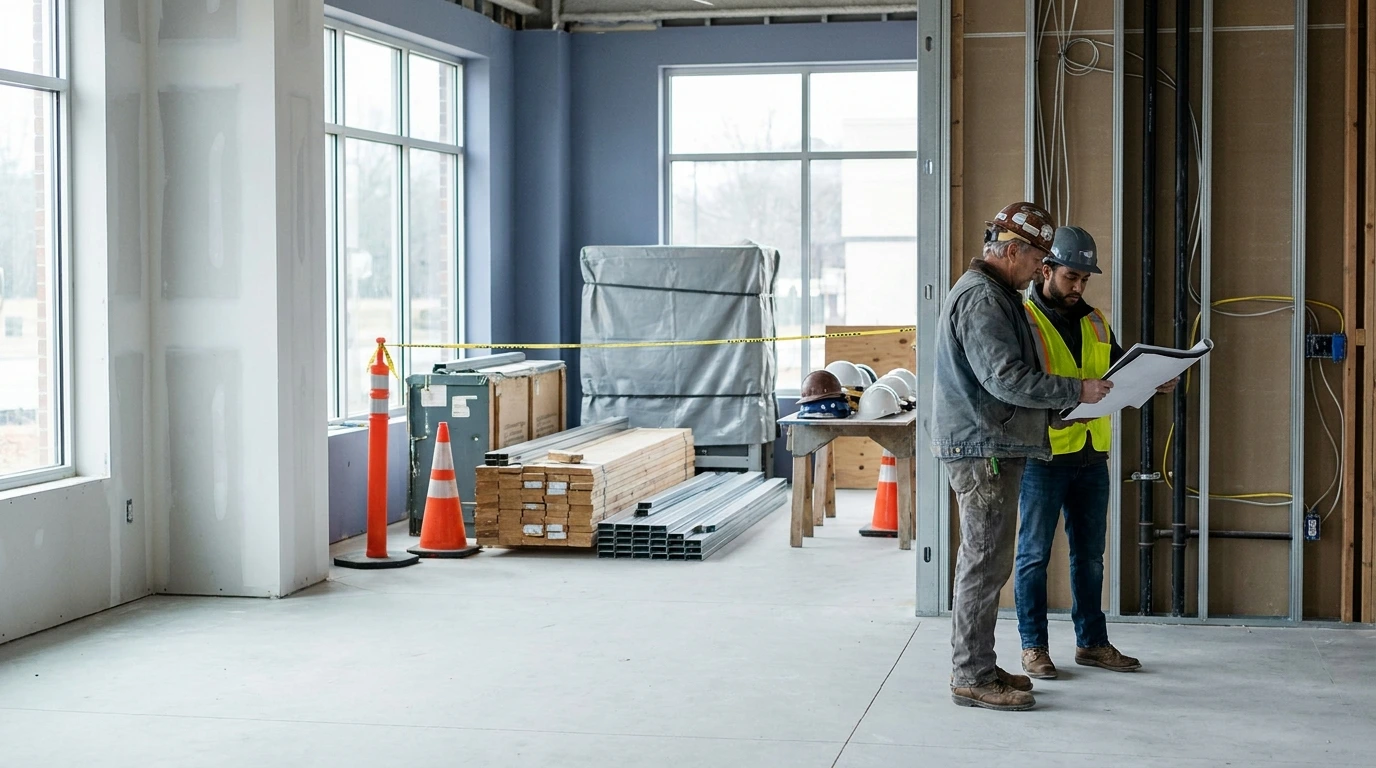
A construction project has more than one kind of risk. A storm can damage framing and materials before a building is finished. A visitor can be injured at the job site. A subcontractor can damage a neighboring property. Those events may all happen during the same project, but they do not necessarily point to the same insurance policy.
Builder’s risk and general liability insurance are often discussed together because they can both be relevant during construction. They serve different purposes, however. Knowing the distinction can help a North Carolina contractor, project owner, or developer ask better questions before work begins.
Quick answer: Builder’s risk insurance is generally intended to protect eligible property under construction, such as the structure, materials, and certain project-related property. General liability insurance generally addresses third-party bodily injury or property damage claims. Coverage depends on the policy, project contract, and facts of the loss.
What builder’s risk insurance is designed to protect
Builder’s risk insurance is generally focused on the construction project itself. Depending on the policy, it may address direct physical loss or damage to a building under construction, renovation, or repair, as well as covered materials and supplies.
For example, a windstorm damages a partially completed roof. A fire affects framing and materials stored at the site. Water damage occurs during a renovation. These situations raise a property-loss question: what happened to the work, materials, or project property?
The policy details matter. Project location, materials stored off-site or in transit, the construction phase, exclusions, deductibles, and coverage limits can all affect whether and how a loss is covered.
Explore construction insurance options from Laurie Insurance Group.
What general liability insurance is designed to protect
General liability insurance is generally concerned with third-party claims. It can be relevant when someone other than the insured business alleges bodily injury, property damage, or certain personal and advertising injuries.
Examples might include:
- A visitor trips over a cord at a job site and is injured.
- A contractor’s work accidentally damages a neighboring building.
- Materials fall and damage a customer’s vehicle.
- A subcontractor’s operations lead to a third-party property-damage claim.
The focus is different from builder’s risk. General liability asks, “Was someone else injured or was someone else’s property damaged?” Builder’s risk asks, “Was the covered project property itself damaged?”
Review contractor insurance options.
The difference at a glance
| Situation | Coverage that may be relevant |
|---|---|
| Fire damages framing at an unfinished project | Builder’s risk |
| Wind damages installed materials before completion | Builder’s risk |
| A visitor is injured at the job site | General liability |
| Work damages a neighboring property | General liability |
| Theft of covered materials from a project | Builder’s risk may be relevant, depending on the policy |
This table is only a planning guide. It is not a coverage determination. Contracts, policy terms, endorsements, exclusions, and the cause of loss all matter.
Why projects may need both
Construction is active, changing work. Materials arrive, crews come and go, weather shifts, and unfinished spaces create exposures that do not exist in a completed building.
A builder’s risk policy may help address eligible damage to the project itself. General liability may help address a claim involving someone outside the insured business. Neither one automatically replaces the other.
A contractor can also have other insurance needs, including workers’ compensation, commercial auto, inland marine, professional liability, pollution liability, or subcontractor-related requirements. The right structure depends on the project and the role each party plays.
Who should carry builder’s risk?
The answer is often determined by the construction contract. The project owner, general contractor, developer, or another party may be responsible for arranging coverage. Before work starts, the parties should clarify:
- Who is named on the builder’s risk policy?
- What property is covered?
- What is the policy limit and deductible?
- Are materials in transit or stored off-site included?
- When does coverage begin and end?
- What happens if the project is delayed or occupancy begins early?
- What insurance must subcontractors carry?
Do not assume a standard contract solves every coverage question. The insurance requirements should be reviewed alongside the project schedule, property values, and responsibilities of each party.
A realistic project example
A contractor is renovating a small commercial building in Charlotte. New windows are installed, but interior work is still underway. A severe storm damages part of the unfinished structure and soaked materials that were staged for the next phase. A few days later, a delivery driver trips near the work area and alleges an injury.
The storm-related damage and the injury claim are not the same problem. Builder’s risk may be relevant to the damaged project property. General liability may be relevant to the third-party injury allegation. The outcome depends on the relevant policies and facts, but separating the two exposures makes the insurance conversation much clearer.
Questions to ask before the project starts
- Does the contract require builder’s risk, general liability, or both?
- Are the policy limits tied to the completed value of the project?
- Are materials, equipment, and temporary structures properly addressed?
- Is the project located in an area with wind, flood, theft, or vandalism concerns?
- Are subcontractor certificates and limits being collected and reviewed?
- Does the project involve renovation work around an occupied building?
Build the insurance plan around the project
Each construction project has a different scope, timeline, value, and contract structure. Laurie Insurance Group can help North Carolina contractors and project owners review builder’s risk, general liability, and related coverages before a project moves from plans to active work.
Contact Laurie Insurance Group to discuss construction insurance for your next project.
Contact Us!
For quotes or questions, fill out the form below and one of our agents will be in touch shortly!